
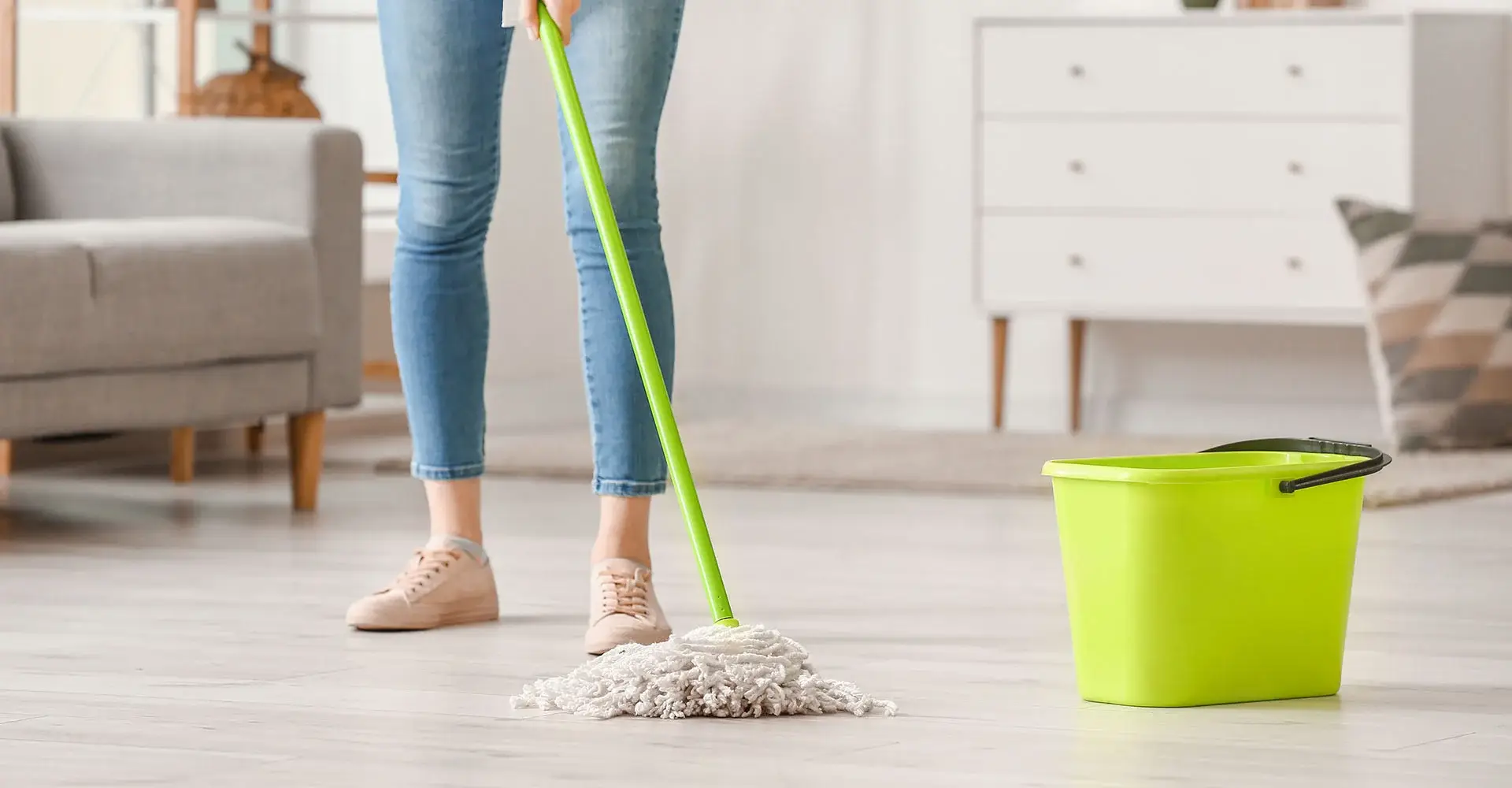
How to Properly Mop Your Floors: Professional Techniques & Tips
After two decades of cleaning thousands of homes across Austin, we have seen every mopping mistake in the book. Streaky finishes that make expensive floors look cheap. Water damage that could’ve been avoided with the right technique. Residue buildup that attracts more dirt than it removes. The secret to properly mopping any floor? Always sweep or vacuum first. Use the right cleaning solution for your specific floor type. Work in small sections with a damp mop, not soaking wet. Poor mopping techniques do not just leave your floors looking mediocre, they can push dirt into grout lines, leave residue that attracts more mess, or even cause expensive damage to flooring materials that cost thousands to replace. Throughout this blog post, we will share the exact tools our professional cleaning teams swear by and reveal the biggest mistakes that sabotage your cleaning efforts before you even start.
Why Getting Mopping Right Matters for Every Home
Proper mopping removes bacteria, destroys harmful mold, and eliminates dust and allergens that can affect your family’s health. This is especially crucial in kitchens and bathrooms where germs spread easily among family members.
Protecting Your Flooring
Your floors are not just surfaces to walk on, they are a significant investment in your home’s value and appearance. Regular, proper mopping preserves the quality and lifespan of your floors by preventing scratches and damage from dirt and grime buildup. Different floor types need different care to maintain their finish, and using the wrong method can cause permanent damage that is expensive to repair or replace.
Special Care for Sealed and Laminate Floors
If you have sealed or laminate floors, pay close attention here. These floors require extra care because they can be seriously damaged by too much water — it can seep into seams and cause warping, bubbling, or even complete plank failure. Always use minimal water, work in small sections, and dry these floors quickly and thoroughly after mopping. For these sensitive floor types, think damp mop, not wet mop, to clean effectively while preventing costly damage.
| Floor Type | Water Sensitivity | What Your Floor Needs |
| Laminate | High sensitivity | Minimal water, quick drying |
| Sealed Wood | Medium sensitivity | Specific cleaners only |
| Tile | Low sensitivity | Regular deep cleaning |
Gathering Your Mopping Equipment
Having the right tools makes all the difference. Here’s what our professional teams bring to every job to get spotless results.
Essential Equipment
Microfiber flat mops are our go-to choice because they trap dirt effectively and clean smoothly without scratching surfaces. String mops hold more water but often spread dirty water around, while sponge mops work for small areas but do not clean as thoroughly.
A two-bucket system is crucial for professional results. One bucket holds clean, soapy water, the other contains rinse water. This prevents putting dirty water back on your floors, which is one of the biggest mistakes we see homeowners make.
Make sure floors are debris-free before mopping. This prevents dirt from turning into a muddy mess. A floor fan helps speed up drying time, especially important for water-sensitive floors.
Cleaning Materials
pH-neutral cleaners work safely on most surfaces without causing damage. Hardwood floors need special wood-safe cleaners, while tile and laminate can handle slightly stronger solutions. Clean water is essential for your rinse bucket and final cleaning steps.
Hot vs. cold water? Warm water usually does the trick. It helps lift dirt better than cold, but do not use water that is too hot, especially on wood floors. Excess heat can damage certain finishes or speed up wear and tear.
Additional Supplies
| Item | Purpose |
| Microfiber cloths | Spot cleaning and drying |
| Rubber gloves | Hand protection |
| Clean bucket | Holding solutions |
Step-By-Step Instructions: How To Mop Any Floor Type Correctly
The key to proper mopping lies in thorough preparation and using the right technique for your specific floor type. After 20 years of perfecting our process, here’s how our teams approach every job.
Step 1: Sweep Or Vacuum First
Always remove all loose dirt and debris before mopping begins. Skipping this step can scratch floors when wet particles get dragged across the surface, something we’ve seen homeowners do too many times.
Use a vacuum cleaner for the most thorough cleaning, focusing on corners, baseboards, and under furniture where dust collects. For quick touch-ups, a soft-bristled broom works well by sweeping toward the center of the room.
Do not skip this step even if the floors look clean. Invisible dust and pet hair will create muddy streaks when mixed with your cleaning solution.
Step 2: Choose The Proper Mop and Cleaning Solution
Different floor types need specific mop styles and cleaners. We recommend microfiber mops for most surfaces because they trap dirt effectively without scratching.
For hardwood floors: Use barely damp microfiber mops with pH-neutral cleaners. Use minimal water, especially on wood or laminate floors.
For tile and stone: Traditional string mops or microfiber work well. Use appropriate stone-safe cleaners for natural materials.
For laminate and vinyl: Spray mops are perfect for quick cleaning without oversaturating the surface.
Quick heads-up: Plain water might remove light dust or fresh spills, but it won’t cut through oils, grime, or sticky messes. Using the right cleaning solution (even a gentle pH-neutral one) gives your floors that fresh, sanitized finish. Water alone does not get the job done.
Test any new cleaning product in an inconspicuous area first. Mix solutions according to package directions. More isn’t always better.
Step 3: Use Two Buckets for Cleaning
The two-bucket system keeps our cleaning solution fresh throughout the entire job. This method prevents spreading dirty water back onto clean floors.
Clean bucket: Contains fresh mopping solution at the proper dilution ratio.
Rinse bucket: Holds clean water for removing dirt from the mop head.
Dip the clean mop in solution, clean a section, then rinse in the second bucket. Replace rinse water when it becomes visibly dirty.
Step 4: Begin Mopping in Sections
Start mopping in the corner farthest from the exit door. This prevents walking on freshly cleaned wet floors – a rookie mistake that undoes all your hard work.
Work in small 4×4 foot sections for best control, using overlapping strokes to ensure complete coverage. Apply light, even pressure, and let the mop do the work.
For hardwood floors, always mop with the grain direction. This prevents water from seeping into joints between boards.
Want to mop faster without cutting corners? Stick to 4×4 sections, use a microfiber mop to cover more ground quickly, and don’t waste time switching tools.
Step 5: Rinse The Mop as You Go
Rinse the mop head in your rinse bucket after cleaning each section. This removes collected dirt and prevents it from spreading to clean areas.
Wring out excess water before dipping into the cleaning solution again. Too much water can damage floors and slow drying time.
Watch the color of the rinse water. When it becomes very dirty, dump it, and refill the bucket with fresh water.
Step 6: Do A Final Rinse
After mopping with cleaning solution, do a final pass with clean water only. This removes any soap residue that could leave streaks or attract more dirt.
Use a separate clean mop head if available, or rinse the current mop thoroughly in fresh water. Work quickly during this step since the floors are already wet.
Step 7: Let Everything Dry
Allow floors to air dry completely before walking on them. Open windows and use fans to speed up the drying process. Most floors should dry within 10-15 minutes if you used the right amount of water. Longer drying times mean that too much moisture was used. Keep pets and family members off wet floors during drying time.
Step 8: Clean Your Mop and Equipment
Clean your equipment immediately after use to prevent bacterial growth and bad odors. This step separates amateur cleaning from professional results.
For microfiber mops: Machine wash in hot water without fabric softener. Air dry or use low heat settings.
For traditional mops: Rinse well and hang to dry in a ventilated area. Replace when fibers start breaking down.
Empty and rinse both buckets with clean water, then wipe dry completely before storing.
How Often to Mop Your Floors
Most floors need mopping once a week in high-traffic areas, but every household is different. What works best depends on your space, your lifestyle, and how much foot traffic you’re dealing with.
High-traffic areas like kitchens, bathrooms, hallways, and entryways require weekly attention. Less-used spaces like guest rooms and formal living areas can go longer between cleanings every two weeks or monthly works fine.
Several factors affect how often you should mop, and we’ve seen these patterns across all the homes we serve:
| Factor | Impact on Frequency |
| Pets | Increase to 2-3 times weekly |
| Young children | Increase to 2-3 times weekly |
| Outdoor access | Door areas require more frequency |
| Floor type | Tile needs more frequent cleaning |
Kitchen floors often need daily attention due to food spills and bacteria. We always recommend spot cleaning spills right away to prevent stains and odors that can become permanent problems.
Weather conditions matter too, especially here in Texas. Rainy or muddy seasons mean more frequent mopping as dirt gets tracked inside from Austin’s outdoor lifestyle.
Different floor materials have different needs. Tile typically requires more frequent mopping compared to wood or laminate because dirt shows more easily and collects in grout lines.
Between full moppings, daily dry mopping works wonders. This picks up pet hair, dust, and small debris without the full cleaning process.
The key is adjusting frequency based on your family’s specific needs rather than following a rigid schedule. That’s the personalized approach we bring to every home we clean.
What Are the Common Mistakes People Make When Mopping Floors?
After two decades of cleaning Austin homes, here are the most common errors that we have seen when it comes to mopping floors:
● Using Too Much Cleaning Solution: We have walked into homes where floors feel sticky underfoot because too much soap was used. Excess cleaner can make floors attract more dirt over time and leave a film that is hard to remove. Follow the dilution instructions on your cleaning products and use only cleaners specifically designed for floors – never use laundry detergent or other household cleaners.
● Using the Wrong Type of Cleaner: Some products are too harsh for wood or laminate surfaces and can cause permanent damage. We have seen beautiful hardwood floors ruined by the wrong cleaner. Always check that your product is safe for your specific floor type.
● Using Dirty Mop Water: Dirty water spreads germs instead of cleaning them up. Change the water when it gets murky or cloudy. Using the same bucket for both washing and rinsing is a common mistake we often see. Consider using two buckets or a mop system with separate compartments to ensure a clean and organized workspace.
● Leaving Floors Too Wet: This can warp hardwood and damage laminate flooring. Wring out mops thoroughly and avoid puddles. Most floors should dry within 10-15 minutes if you are using the right amount of water.
● Using Dirty Mop Heads: Dirty mop heads spread bacteria around your home instead of cleaning it. Wash mop heads regularly in hot water or replace disposable pads after each use. This simple step separates amateur cleaning from professional results.
Conclusion
Proper mopping techniques deliver spotless, streak-free floors that enhance your home’s appearance while improving indoor air quality by removing dirt, allergens, and bacteria. Professional mopping methods provide longer-lasting floor finishes, reduce the need for deep cleaning, create a healthier living environment, and enhance your home’s value. For twenty years, Juany Cleaning Service has helped over 8,000 homeowners and businesses achieve professional-quality results using these proven techniques, with our team of 50+ expert cleaners who understand that excellence in every detail makes all the difference. Our expertise comes from two decades of maintaining clean, healthy spaces for families across Austin, using commercial-grade equipment and eco-friendly solutions that protect both your family and your floors.
Ready to experience the Juany Cleaning Service difference? Request your free quote today and join our family of satisfied clients who trust us with their most important spaces!